
Food Insecurity in 2025
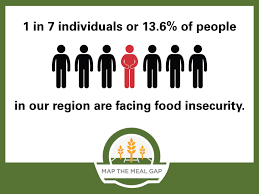
Food insecurity is a substantial problem in the United States and around the world. Around 13.5% of United States households (1in 7) were food insecure at some time during 2024, which is about 18 million households. In terms of individuals, around 47 million people in the United States are food insecure (Feeding America, 2024). Unfortunately, there is no data about food insecurity in 2025 yet, so this is the closest data available. Worldwide, 733 million people face hunger, which is 1 in 11 people (Action Against Hunger, 2024).
Food insecurity is “the condition of not having access to sufficient food, or food of an adequate quality, to meet one’s basic needs” (Oxford Dictionary, 2025). In simple terms, food insecurity is when people do not have enough to eat and do not know where their next meal will come from (USDA, 2024). Food insecurity is a systematic issue, meaning it can happen to anyone at any time. Food insecurity is caused by many factors. The first is income. People with lower or unstable incomes are more likely to experience food insecurity. This is straightforward; with less income, there is less money split between the cost of rent, bills, and other necessities, which tends to leave little money for food. In this category also falls, job loss and financial emergencies which leave people with unstable incomes, leading to being food insecure.
Another factor is the inflated cost of living. As prices rise due to inflation, food prices rise as well, which makes it more expensive. Those who were food secure in 2021 might be food insecure now due to the rising prices. Also, piggybacking on what was said above, the cost of living is higher than it has ever been which makes housing, healthcare, utilities, etc… More expensive, which tightens people’s budgets, making it harder to afford food.
Community factors play a pivotal role in food security. Having limited access to transportation and well-funded/resourced schools as well as living in an underfunded or unsafe area can make it harder to access food or have the means to move up economically. This can create intergenerational food insecure families, and this cycle is extremely hard to break.
Also, health-related factors can affect whether people are food secure or not. Many people who are food insecure have low incomes which tends to limit access to healthcare. Also, when a low-income person needs healthcare, they tend not to have money to pay for the care, so the money that they would have used to buy food now goes to the healthcare bill. Furthermore, when people are unable to afford nutritious foods, this increases the rate of certain illnesses like type 2 diabetes, heart attacks, and high blood pressure to name a few. This creates a cycle where food insecurity worsens health, and poor health contributes to food insecurity. This cycle is difficult to break, but one that needs to be fixed.
Along with the factors that contribute to food insecurity, there are many effects that food insecurity has on people. Those who are subject to food insecurity tend to have worse physical health and may experience malnutrition, especially children, and chronic conditions listed above. Many also experience mental health crises and deteriorating well-being which results in people suffering from depression, anxiety, social isolation, shame, and many other things. Another effect of food insecurity is that people tend to have difficulty concentrating or have low energy, which makes them miss school or work. Missing work means no paycheck which keeps the cycle of being food insecure ongoing.
All in all, there are many systemic barriers that lead to food insecurity being passed down from generation to generation, which keeps families trapped in a cycle of poverty and hunger. Historical discrimination and historically marginalized communities are the population that is severely affected, and there are many things that need to be done to end this cycle and make sure everyone everywhere is food secure.
References
Action Against Hunger. (2024). World hunger facts. Action against Hunger. https://www.actionagainsthunger.org.uk/why-hunger/world-hunger-facts
Feeding America. (2024). Hunger in America. Feedingamerica.org; Feeding America. https://www.feedingamerica.org/hunger-in-america